🎶🌱The Dirt:✨

  • Does chlorine affect your compost?

    Let chlorinated water sit 24–48 hours (or aerate it) before adding it to compost, worm bins, or compost tea/extract. Or better yet, use rainwater. This simple step supports your microbial workforce.

    Chlorine:

    • 🚫 Kills beneficial microbes: Even low levels in tap water can reduce the microbial diversity needed for active decomposition.
    • 🔥 Slows heating: Fewer bacteria and fungi mean slower breakdown and lower compost temperatures.
    • 💩 Reduces nutrient cycling: chlorine harms nitrifying and nitrogen-fixing microbes, reducing available nitrogen.
    • 🍄 Inhibits fungal growth: especially mycorrhizal and decomposer fungi key for humus formation.
    • ♻️ Delays maturity: chlorine-treated compost often takes longer to reach stability and its rich earthy smell.

    ➡️ Dechlorinate water to protect life. 💧✨🦠 
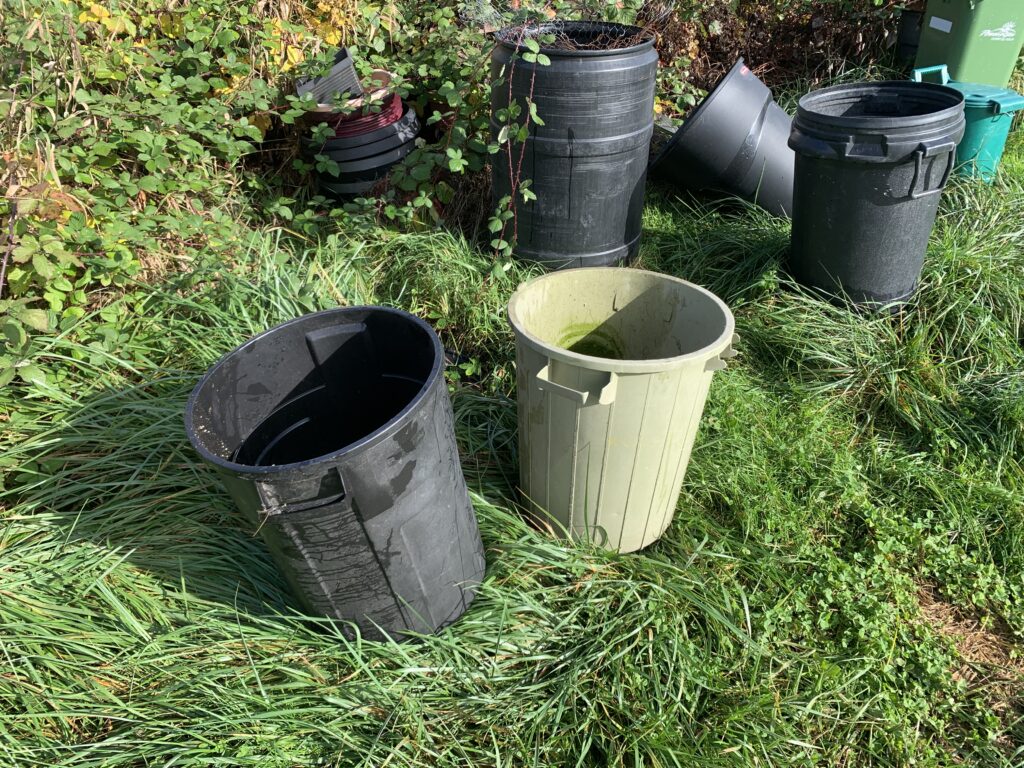
  • I’m joining the #30 -day-compost-post-challenge!

    Today, in preparation for late season cover-crops, and planting garlic, I filled barrels with our municipal water – to off-gas the chlorination for a day or two.

    Do you know how chlorine affects the micro-biome of soil, plants, and us?

    Tomorrow, I’ll soak and sprout field-peas together with #vermicompost – to inoculate the pea seeds with an array of microbiology – benefiting the plant and soil relationship.

  • Hello world!

    Welcome to LiveSoilBased. This is our first post.

Stay Grounded

Let's Keep in Touch!

We don’t spam! Read our privacy policy for more info.

LiveSoilBased

Stay informed with curated content and the latest headlines, all delivered straight to your inbox. Subscribe now to stay ahead and never miss a beat!

Skip to content ↓